
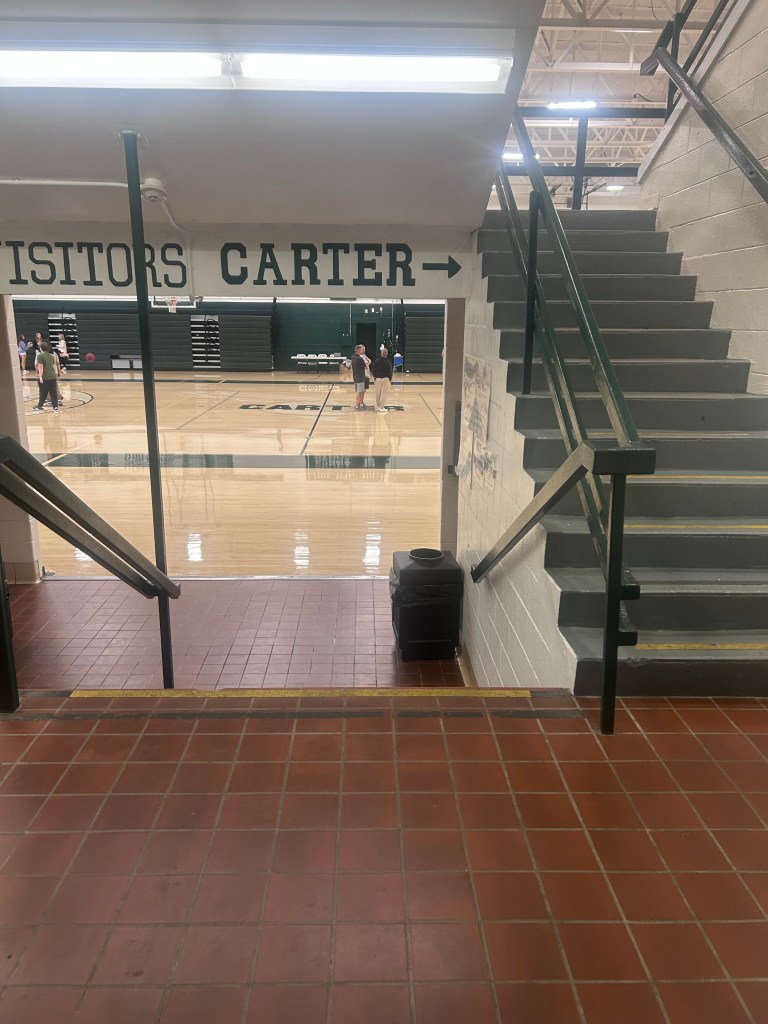
Imagine being required to participate in physical activities that your body struggles with, even when there are other ways to stay healthy. Physical education, commonly known as PE, is a required class in many schools because it encourages students to exercise, develop healthy habits, and understand the importance of physical fitness. While these are important lessons, not every student has the same physical abilities, health conditions, or interests. Schools should reconsider making traditional PE mandatory for every student and instead provide more flexible options for physical activity.
One major reason PE should not be required for everyone is that students have different physical abilities and health circumstances. Some students deal with injuries, chronic pain, disabilities, or other conditions that make certain activities difficult. Expecting every student to participate in the same activities does not account for these differences. Although schools may offer medications, students should have more opportunities to choose activities that work for their individual needs.
Another reason is that students should have more choices when it comes to physical activity. Not everyone enjoys traditional sports, or competitive games. Some students may prefer walking, dancing, yoga, or individual fitness activities. One student explained, “I don’t think PE should be required because not everyone enjoys sports or traditional exercise. Students should have the option to choose activities they actually enjoy instead of being forced to participate in the same ones.” Allowing students to choose activities they enjoy could make exercise feel less like an obligation and more like a healthy habit.
Additionally, physical activity does not have to happen inside a traditional PE classroom. According to the Centers for Disease Control and Prevention (CDC), schools can encourage movement through classroom activities, recess, and lunchtime programs. This shows that there are several ways to incorporate exercise into the school day without relying entirely on traditional PE classes. Schools could offer alternative programs that allow students to remain active while accommodating different interests and abilities.
However, some people believe PE should remain mandatory because it ensures students receive regular exercise and learn the importance of maintaining a healthy lifestyle. One student shared, “I think PE should stay required because a lot of students spend most of their day sitting in classrooms. Without PE, some students might not get enough exercise or learn how important physical health is.” This is a reasonable concern, especially for students who do not have access to sports or other fitness opportunities outside of school. Nevertheless, requiring traditional PE is not the only solution. Schools can continue encouraging physical activity through alternative programs, flexible requirements, and activities that accommodate individual students.
Ultimately, physical education should be about helping students develop healthy habits, not forcing everyone to meet the same physical expectations. Exercise is important, but students should have the opportunity to participate in ways that work for their bodies, interests, and circumstances. Schools should focus less on requiring every student to take the same PE class and more on making physical activity accessible to everyone. After all, the goal should be to create healthier students, not simply students who complete a required class.

