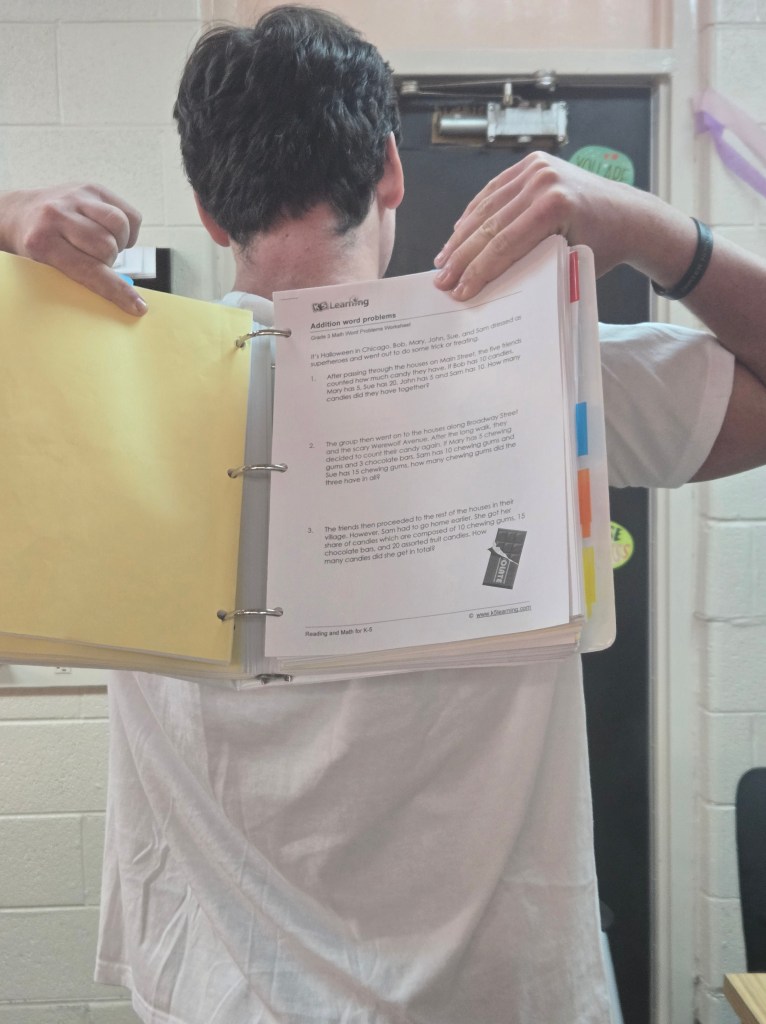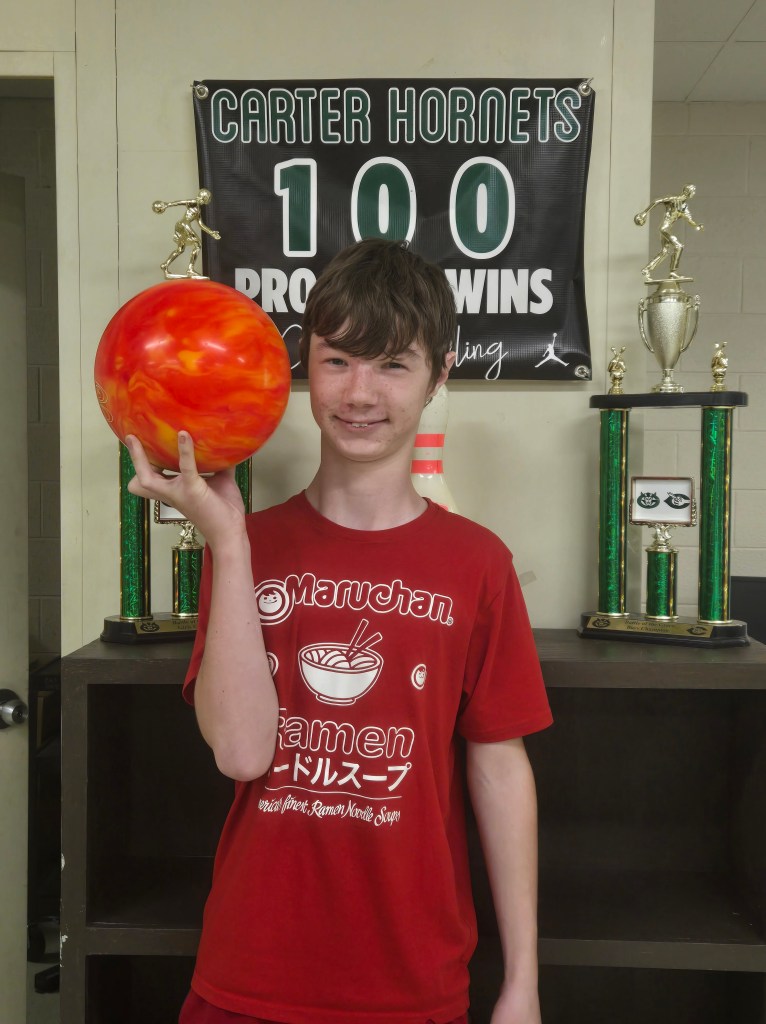
Go inside the CDC clasrooms to see how students with developmental disabilities thrive through hands-on learning,life skills training and dedicated peer support. Behind the closed door of room 626A;there is what inclusive education actually looks like,spilled coffee,three sensory meltdowns and a breakthrough in math;just your average Wednesday. While high schoolers down the halls are prepping for college entrance exams,the students in the CDC program are preparing for something much bigger: the real world. A closer look into their daily routine reveals a dynamic mix of functional academies, vocational building, and the essential life skills required to thrive after graduation. The classroom expands out into the local community to practice public skills like grocery shopping: navigating aisles,locating items from a list,and interacting with cashiers.One of Mrs Tiffany’s students said that his favorite class is English and his special olympics sports are basketball and track, while their goals include learning a new job skills, figuring how to buy things independently and working harder on math word problems because their peer tutors help him learn. Education is importment because it helps students prepare for life after high school. However,many students graduate without learning some essential skills,such as managing money,finding a job, cooking, and solving everyday problems. While schools often focus on academic subjects like math and reading, students also need practical skills to become independent adults. Learning these skills can help students succeed in college,the workplace, and their communities. Teaching life skills alongside traditional subjects can better prepare students for the challenges they may face after graduation. Z’s responses include focusing on math, working hard on math,learning how to talk to customers, learning how to locate items in a store,His favorite special olympics sport is bowling and peer tutors help with his data.